
 INICIO
 NUESTRA TIENDA
 CONTACTO
Best fitness apps for ladies in USA at 2026
Is Intermittent Fasting Healthy?
It’s important to try methods that make you happy and don’t cause your mind and body harm. If following a set of rules of when you eat seems stressful, then intermittent fasting may not be right for you. Even though this way of eating has been tied to health benefits, there are many other things you can do to benefit your health that don’t involve fasting. This 2019 study observed 1,422 people who did fasting regimens for 4–21 days.
Fatigue and low energy
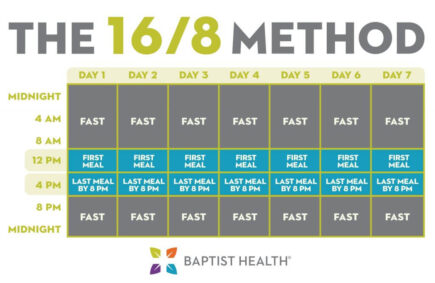
At the end of the set time, you switch to very few or no calories, called fasting. Unlike traditional diets, which focus on what kind of food you’re eating, intermittent fasting is focused on when––rather than what––a person eats. It includes going intervals without food, then returning to a typical eating schedule. There’s been a lot of chatter about intermittent fasting—with many people incorporating eating and fasting windows into their diets in search of weight loss, better gut health, longevity, and more. Each participant ate the same food and had the same amount of time to eat, but some were eating early in the day. Frequently, people who try intermittent fasting don’t change the quality of their diet.
New stem cell treatment may offer hope for Parkinson’s disease
Intermittent fasting, also called time-restricted eating or https://unimeal.reviews/ time-restricted feeding, is a way of eating that has become increasingly popular over the last few years. As the name suggests, it focuses on when you eat, not what you eat. Some people are also probably not right for intermittent fasting. It’s not recommended for anyone who is pregnant, has diabetes or is under 18. Jessica doesn’t recommend it for anyone with a history of eating disorders, either, because fasting could serve as a trigger for a disorder.
Is intermittent fasting safe for kids?
Let’s take a look at the benefits and risks before starting fasting for weight loss. While there are no hard-and-fast rules regarding what you can consume during your unrestricted eating periods, experts agree that maintaining a healthy, well-rounded diet produces the best results. During fasting times, limit yourself to water and zero-calorie drinks. In lab studies, animals that are deprived of food for certain periods are less likely to develop brain changes that cause Alzheimer’s disease than animals fed regularly. However, it’s not clear that humans who follow an intermittent fasting plan are protected against this disease or any other form of dementia. Remember to drink enough water and other fluids on fasting days to prevent dehydration.
Medical Professionals
One initial study found that people with asthma who fasted for 24 hours reduced their levels of immune system proteins that caused inflammation. But other research failed to show that fasting improves the ability to breathe in people with asthma. Studies of intermittent fasting in people with chronic disease have resulted in better control of their conditions. However, most of these studies have been relatively brief, lasting only a few months. It’s unclear if the benefits would last years if the diet is continued throughout life.
What are the benefits and potential risks of intermittent fasting?
It’s important to note, however, that although the study indicated an association, it does not mean that time-restricted eating caused cardiovascular death. More long-term research and peer-reviewed studies are needed to see how intermittent fasting affects heart health. Another drawback of intermittent fasting is that “when people hit the ‘time to eat’ they find themselves overeating or choosing unhealthy foods that are quick fixes for their hunger,” Dr. Costello notes. For this type of fasting, calories are consumed within a specific time period that usually matches our circadian rhythms.

Taking Care of Yourself
They will consider your current health, medicines, and health history when making their recommendation. If you have certain chronic health problems such as diabetes or heart disease, you may need to adjust or monitor your eating patterns. Restricting eating to eight or fewer hours a day, a type of intermittent fasting, may raise the risk of dying prematurely from heart disease over the long term, a new study suggests. Jessica said the science is still relatively new for intermittent fasting, and a lot of research is still being conducted to identify and verify any health benefits, risks and long-term effects. As it stands now, the current evidence supports intermittent fasting as a weight loss method for up to 12 months.
- “There’s a lot of debate about whether the benefits of intermittent fasting are due to the extended fasting period itself,” says Dr. Courtney Peterson, an NIH-funded nutrition researcher at the University of Alabama.
- That’s how long it takes your body to switch from using glucose for energy to using fat for energy.
- Intermittent fasting means you eat only within certain time periods.
- However, a 2020 study found that intermittent fasting may actually reduce fatigue — especially as your body becomes adjusted to regular fasting periods.
- When restricting food, there is an increased release of dopamine in the brain when you do eat.
- You also need to stay hydrated while you fast, so drink a lot of water.
Are there any health risks with intermittent fasting?
So what does the new study mean if you practice intermittent fasting or are interested in trying it out? A risk with fasting, according to Jessica, can be the danger of nutrient deficiency. The danger is not so severe with the 16/8 approach, but if you are fasting for two to three days at a time, the risk is concerning. “If someone has medical unimeal app reviews conditions like hypertension or diabetes, they might want to work with their primary care physician to develop a strategy that is more individualized,” says Koncilja. For example, healthcare professionals have used fasting to treat epilepsy in children. Some people may have a higher chance of developing dangerous side effects if they do intermittent fasting.
FIND CARE
More research is needed, especially to determine the advantages of practicing IF long-term. But experts do know that fasting improves metabolism and lowers blood sugar, benefitting a wide range of health issues. Intermittent fasting has been shown to reduce inflammation, which triggers this condition.
Follow us on social media
People are encouraged to drink water and other calorie-free beverages while fasting. During this time, people usually drink only water or no-calorie beverages. Some studies demonstrate greater weight loss and fat loss with intermittent fasting than with regular calorie cutting, while another review of studies found that weight and blood sugar improvements were small. Research results on intermittent fasting are mixed, and longer studies have not confirmed the benefits. Be sure to talk with your doctor before you begin intermittent fasting.
