
 INICIO
 NUESTRA TIENDA
 CONTACTO
Best fitness apps for USA in 2026
Intermittent fasting for metabolic health
Several types of fasting regimens have been developed with distinct metabolic effects. Intermittent fasting (IF) is a general and broad term representing dietary patterns alternating between periods of eating and fasting (6). Time-restricted fasting (TRF) limits food intake to a specific time frame within a day, whereas alternate-day fasting (ADF) alternates between days of normal eating and days of fasting (6–8). Evidence shows that a fasting regimen contributes to decreased fasting and postprandial glucose levels as well as improved insulin sensitivity, thereby serving as a key determinant of glycemic control (9). Furthermore, fasting regimens have been shown to increase lipolysis and decrease lipid synthesis, thereby improving dyslipidemia (10). In addition, several anti-inflammatory effects have been linked to fasting, although the extent of these effects may vary depending on the type of IF.
SIRT2 is mainly found in cytoplasm and can control cellular mitosis, preventing genomic instability. Sirtuins need NAD+ as a cofactor to deacetylate target proteins and change their function. Therefore, it has been hypothesized that sirtuins are at the key of cellular energy metabolic regulation. In a nutrient-abundant environment, glycolysis is the primary source to produce energy and induce increased NADH levels as well as decreased NAD+ levels, leading to an inhibition of the enzymatic activity of sirtuins. On the other hand, in an environment poor in nutrients such as fasting, this might increase NAD+ levels in the nucleus and cytoplasm, leading to increased enzymatic activity of sirtuins41).
Recent research suggests that the correlation between the gut microbiota and its host is crucial for the onset of metabolic diseases53). The protection https://www.hellopeter.com/unimeal of the intestinal mucosa by the gut microbiota is important for the gut barrier54), which regulates the interaction of microorganisms with the bloodstream, affecting inflammation55). The microbiota not only influences the gut, but also the central nervous system via the gut-brain axis, and the liver to regulate nutrient metabolism, via the gut-liver axis56). If you’re thinking about intermittent fasting, talk to a healthcare professional about the pluses and minuses. Other eating patterns might work as well or better depending on your health goals.
Table 3. Alternate Day Modified Fasting.
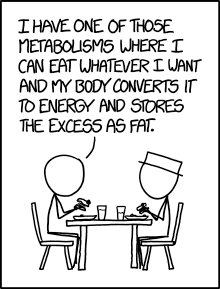
Carbohydrates and protein are broken down into glucose in the intestines, whereas fat digestion goes through a different process involving the lymphatic system. So when we’re talking about storing energy in the body, it’s coming from all the macronutrients that we eat — protein, carbohydrates, and fats. On this plan you eat normally for 5 days of the week, and on the remaining 2 days you reduce your caloric intake to around 500 calories. Another study showed a modest increase in muscle mass for people who consumed all their calories during one huge meal in the evening (31). However, short-term fasting induces a cellular repair process called autophagy, in which your cells use old and dysfunctional proteins for energy (16). Some people claim that eating often makes it harder for them to adhere to a healthy diet.
Your brain needs a regular supply of dietary glucose
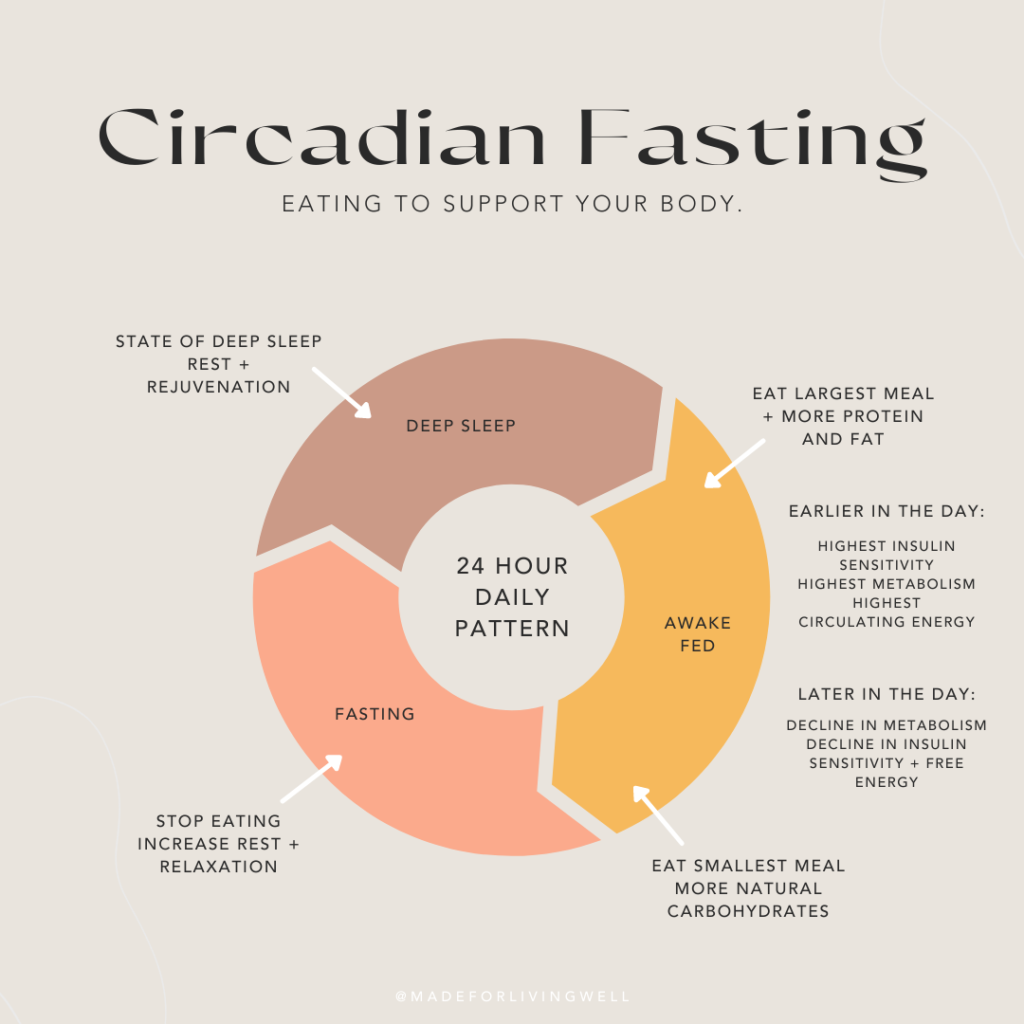
However, the onset of insulin resistance in response to fasting might be a protective reaction to maintain glucose levels without hyperglycemia and hyperinsulinemia7). One recent study investigating the effects of 24 hours of intermittent fasting showed an increase in non-esterified fatty acids and β-hydroxybutyrate8). This supports the hypothesis that intermittent fasting increases the utilization of stored body fat. It is critical for this switch to occur in order to shift metabolism from lipidogenesis (fat storage) to fat mobilization for energy through fatty acid β-oxidation. Experimental studies, however, are needed to distinguish the effects of caloric restriction versus the metabolic switch induced by IF regimens on fat metabolism, hunger, and overall tolerability.
Why tracking your metabolism beats counting calories
Your body also switches its primary metabolic hormones around the same time. Marine is a registered dietitian (RD) with extensive experience in clinical nutrition and a deep passion for well-being, health, and metabolism. With her background as a clinical dietitian and private practice owner, Marine has helped patients from diverse backgrounds improve their health through personalized nutrition. Currently, Marine serves as a customer success nutritionist at Lumen, where she provides expert nutrition support to clinics using Lumen’s technology to enhance their clients’ metabolic health. Marine is dedicated to empowering individuals to improve their relationship with food and achieve their health goals.
Intermittent fasting and fat derived hormones
According to one review, fasting for 3–24 weeks caused average weight and belly fat losses of 3–8% and 4–7%, respectively (49). Some people claim that you can only digest 30 grams of protein per meal and that you should eat every 2–3 hours to maximize muscle gain. Even during long-term fasting, starvation, or very very-low-carb diets, your body can produce ketone bodies from dietary fats (15). Since eating more frequently doesn’t boost your metabolism, it likewise doesn’t have any effect on weight loss (11, 12). Thus, breakfast doesn’t largely affect your weight, although there may be some individual variability.
Intermittent fasting is bad for your health
Studies have also shown that short-term fasting can increase your negative emotions, like anger, depression, and anxiety. On the other hand, other data indicates that people feel more accomplished and experience a greater sense of reward when they do things while fasting. This means that you’re likely better off if you give your body enough time to initiate metabolic switching.
Which intermittent fasting schedule should I follow?
- The adiponectin/leptin ratio diminishes with the severity of metabolic syndrome, meaning that this ratio can be utilized as a marker for metabolic syndrome24).
- Hyer is a cardiac rehabilitation dietitian with the Mass General Brigham Heart and Vascular Institute and works with patients at the Elfers Cardiovascular Center at Newton-Wellesley Hospital.
- After 8-12 hours of eating, the glucose from the food consumed has mostly been utilized or stored, leading to a drop in blood sugar levels.
- When you do IF, you need to make sure you’re actually eating enough calories, because when you decrease your caloric intake over long periods of time, it can slow down your metabolism, which then sabotages weight loss efforts.
- SIRT-1 has been extensively studied for longevity, since it is up-regulated by calorie restriction, ultimately slowing the aging process42, 43).
- In our modern world, a growing number of individuals grapple with metabolic health issues, often feeling trapped in a cycle of fluctuating energy levels, weight gain, and overall decreased vitality.
It’s a geeky question, but bear with me for a second if you want to learn something new. It makes sense that depriving your body of nutrients would have a metabolic-shutdown effect. John F. Keaney, Jr., MD, director of the cardiology clinical service at Mass General Brigham, and other Mass General Brigham experts share tips on how to lead a heart-healthy lifestyle. Fasting can lead to a reduction of hemoglobin, increasing the risk of anemia67).
Health Conditions
Traditional diets and health regimens, while offering temporary fixes, often fail to address the root cause. This leaves many feeling frustrated, constantly battling their metabolism instead of having it work for them, leading to a cascade of health complications and a diminished quality of life. Definition of terms used to describe different types of eating patterns in this review. Levels pairs real-time glucose data and comprehensive lab testing with clinician analysis and personalized support—everything you need to turn insights into real health improvements. To measure individual circadian phases, Prof. Dr. Achim Kramer developed the BodyTime assay.
Enhancing Chemotherapy Response via Dietary Interventions in Breast Cancer
This is an open access article distributed under the terms of Creative Commons Attribution License (CC BY), which permits unrestricted use, distribution, and reproduction in any medium, provided the original source is properly credited. Overall, you’ll need to decide for yourself whether or not fasting is worth it for you. Everyone’s bodies are different, so the same techniques aren’t guaranteed to work for everyone. Always consult a doctor before making significant changes to your eating habits. It is important to note that for the benefits of IF to be sustained, they must be accompanied by ongoing lifestyle and behavioral habits that support optimal health.
Your doctor will advise you on the benefits and risks that this method may have on your body. unimeal reviews on hellopeter An underweight person shouldn’t be fasting, but their overweight friend may do well to compress their feeding window as a means to reducing daily calorie intake. If a complete fast isn’t right for you, you could try alternate day fasting modified. In this version, on fast days you eat only 25% of your recommended daily calories; on regular eating days you eat 125% of your recommended daily calories. Pairing this with healthy food choices could help you reach your health goals. SIRT1, SIRT6 and SIRT7 are nuclear sirtuins, controlling multiple important transcription factors of metabolic pathways.
Intermittent Fasting and Its Effects on Weight and Metabolism
The total sample size of the included RCTs comprised 701 individuals, with an age range of 25–75 years. BMI values indicated that all study subjects were classified as overweight or obese. The majority of the participants were diagnosed with metabolic syndrome (MetS) or exhibited MetS components. Moreover, the type of intervention varied between studies, including TRF, ADF, and ICR. Some people only drink water or bone broth, while others take in very few calories.
